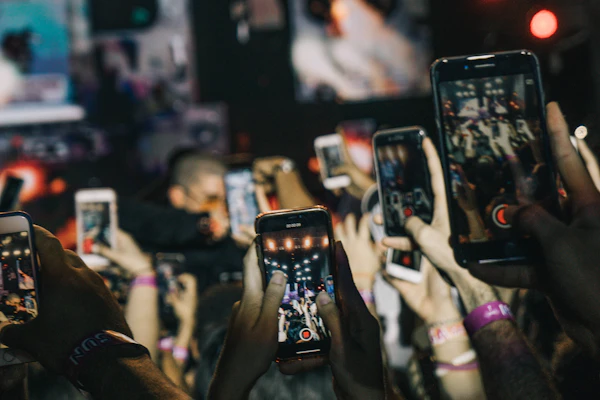
Networking Trends That Will Shape 2027 for Live Events & Entertainment [Home](/) > [Blog](/blog) > [Industry Trends](/categories/industry-trends) > Networking Trends 2027 The world of live events and entertainment is undergoing a massive shift. As we look toward 2027, the way professionals connect, collaborate, and build careers in this space is being redefined by technology, shifting work cultures, and a new global mobility. For the digital nomad and remote professional, the entertainment sector is no longer confined to a single studio lot in Hollywood or a theater district in London. It has become a decentralized network of talent moving between [digital nomad hubs](/blog/top-digital-nomad-hubs) and virtual production stages. In this new era, networking is not just about exchanging business cards at a cocktail mixer. It is about building digital trust, mastering asynchronous collaboration, and finding your tribe in [remote-friendly cities](/cities) that cater to the creative class. As the physical and digital realms merge, the skills required to navigate the entertainment industry are evolving. Whether you are a lighting designer working from a [co-working space in Medellin](/cities/medellin) or a talent agent managing creators from [Lisbon](/cities/lisbon), understanding these upcoming trends is vital for staying relevant. This guide explores the transformative forces that will define professional networking in the live events and entertainment sector by 2027. We will look at how artificial intelligence, decentralized autonomous organizations (DAOs), and hyper-local creative hubs are changing the game for [remote workers](/talent) and nomadic professionals. By the end of this article, you will have a roadmap for building a high-impact network that transcends borders and traditional industry gatekeepers. ## 1. The Rise of "Niche-Specific" Micro-Communities By 2027, the broad, "catch-all" networking event will be a thing of the past. Industry professionals are moving away from massive trade shows in favor of small, highly specialized micro-communities. These groups focus on specific sub-sectors of live events, such as augmented reality (AR) stage design, sustainable festival logistics, or spatial audio engineering. For [remote freelancers](/jobs), these micro-communities offer a way to find high-value opportunities without the noise of traditional social media. Platforms that cater to these niches are becoming the go-to source for [finding remote work](/blog/how-to-find-remote-work). We are seeing a rise in private Discord servers, Slack channels, and invitation-only platforms where the world's top experts share knowledge and job leads. ### Why Micro-Communities Matter
- High Trust Environments: Because these groups are smaller, members can vet one another more effectively, reducing the risks associated with hiring remote talent.
- Skill Exchange: Many micro-communities operate on a "give-to-get" model, where sharing technical tips leads to project referrals.
- Localized Globalism: You might be a member of a global community of VR producers but find a subset of members living in Mexico City, allowing for both digital and physical connection. To succeed in 2027, you must identify three niche areas where your expertise lies and seek out the "inner circle" communities for those topics. Check out our remote work categories to see how different sectors are diverging into specialized fields. ## 2. AI-Driven Matchmaking and Relationship Management Artificial intelligence has moved past simple chatbots. In 2027, AI acts as a sophisticated networking concierge. Imagine attending a hybrid event where an algorithm analyzes your LinkedIn profile, your past projects on our talent platform, and your current location to suggest five people you must meet. These AI tools go beyond "people you may know." They analyze project compatibility, personality types, and even timezone synchronization. For nomads moving between remote-friendly destinations, AI can alert you when a potential collaborator or client is in the same city. ### Implementing AI into Your Routine
1. Optimize Your Data: Ensure your portfolio and professional bios are updated with clear keywords so AI crawlers can categorize your skills accurately.
2. Use CRM for Humans: Tools that remind you to reach out to contacts every 90 days are becoming automated, ensuring you never let a lead go cold.
3. Smart Scheduling: Stop the "back and forth" of emails. AI tools now handle the complexity of scheduling across multiple time zones for global entertainment teams. ## 3. The "Hacker House" Model for Event Production The traditional office is dead, but the need for physical proximity during "crunch time" remains. In the entertainment world, we are seeing the rise of temporary, project-based living and working spaces. These are essentially "pop-up" headquarters where teams descend on a city like Bali or Berlin for two weeks to finalize an event design or film edit. This trend is perfect for the digital nomad lifestyle. Instead of a permanent office, production companies are renting large villas or dedicated creative retreats. Networking happens over breakfast, during late-night brainstorming sessions, and at the communal pool. ### How to Join the Movement
- Search for "creative coliving" options in active nomad cities.
- Look for remote jobs that offer "onsite intensives" or "annual retreats" as part of their culture.
- Build your own "mastermind" group and organize a work-cation in a destination like Tenerife to collaborate on a new project. ## 4. Blockchain and the Verification of Creative Credits One of the biggest struggles in the entertainment industry is the accurate attribution of work. Who designed the lighting? Who mixed the monitors? By 2027, networking will be built on the back of blockchain technology. "Smart contracts" will not only handle payments but also act as a permanent, unalterable record of your contributions to a project. This creates a "Trust Score" that helps professionals network more efficiently. When you apply for a high-profile tour or event through our talent portal, your blockchain record will prove your experience without the need for lengthy reference checks. ### The Impact on Networking
- Elimination of "Resume Padding": You can't fake experience on a public ledger. This levels the playing field for authentic experts.
- Automated Micro-Payments: Networking becomes more transactional in a positive way, with experts being paid instantly for 15-minute consultations via crypto-wallets.
- DAOs as Unions: We are seeing the rise of Decentralized Autonomous Organizations that act as modern-day guilds for remote sound engineers, video editors, and event planners. See our guide on how it works for more on modern work structures. ## 5. Hyper-Local Hubs in "Tier 2" Cities While London, New York, and LA will always be relevant, their high cost of living is pushing the creative class toward "Tier 2" cities. These cities are becoming the new hotspots for live event networking. Places like Chiang Mai, Tbilisi, and Buenos Aires are seeing a surge in high-end studios and production offices. Networking in 2027 is about being "on the ground" in these emerging markets. It is easier to be a big fish in a smaller pond, and the networking events in these locations are often more intimate and high-impact. ### Strategic Location Choices
- Lower Overheads: Spending less on rent allows you to invest more in your gear and professional development.
- New Markets: These cities are often gateways to emerging regional entertainment markets (e.g., Bangkok for Southeast Asia).
- Quality of Life: Many nomads choose cities based on the best co-working spaces rather than traditional industry zip codes. ## 6. Hybrid Networking: Merging Phygital Experiences The line between physical and digital is blurring. By 2027, every live event will have a "digital twin." Networking will happen simultaneously in person and in a virtual environment. For a professional in Cape Town who cannot fly to a conference in Las Vegas, the "Phygital" experience allows them to roam the floor via an avatar or high-definition telepresence. Professional networking platforms are now integrating AR into their mobile apps. When you walk into a room, you can see professional tags hovering over people's heads through your glasses or phone screen, showing their current needs and what they can offer. ### Tips for Hybrid Success
- Get a High-Quality Avatar: If you participate in virtual meta-events, invest in a professional digital representation of yourself.
- Master Asynchronous Networking: Learn to build rapport through video messages and voice notes rather than just text.
- Stay Active on Industry Blogs: Engaging with content like our blog articles keeps you visible to the community even when you are traveling. ## 7. Sustainability as a Networking Currency In the live events world, sustainability is no longer an afterthought; it is a prerequisite for doing business. In 2027, your "green credentials" are a major part of your professional brand. Networking conversations often start with "How are you reducing the carbon footprint of this tour?" or "What sustainable materials are you using for this stage build?" Professionals who specialize in "Green Production" are in high demand. Networking within sustainability circles can lead to lucrative contracts with major festivals and corporate events that are under pressure to meet ESG (Environmental, Social, and Governance) goals. ### Building Your Green Network
- Join organizations dedicated to sustainable events.
- Highlight your eco-friendly work practices in your talent profile.
- Focus your job search on companies that prioritize social and environmental responsibility. ## 8. The "Portfolio Career" as the New Standard The era of working for one production house for twenty years is over. By 2027, most professionals in the live events space will have a "portfolio career"—juggling 3–5 different roles at any given time. You might be a concert promoter, a consultant for a VR startup, and a writer for a nomad blog. This requires a different approach to networking. You aren't just looking for your next boss; you are looking for your next collaborators. Your network must be diverse, spanning industries like tech, hospitality, and traditional media. ### Diversifying Your Connections
1. Cross-Skilling: Take courses in related fields to make yourself a "T-shaped" professional.
2. Broad Networking: Don't just talk to people who do exactly what you do. Connect with designers, developers, and event strategists in different categories.
3. Active Self-Promotion: Use your social platforms to showcase the variety of work you do, rather than trying to fit into a single box. ## 9. Emotional Intelligence and Radical Soft Skills As AI takes over the technical aspects of event planning and production (like logistics and scheduling), the value of human connection skyrockets. In 2027, the most sought-after networkers are those with high emotional intelligence (EQ). Building trust in a remote-first world is difficult, and those who can navigate cultural nuances, resolve conflicts, and lead with empathy will be the leaders of the entertainment industry. For digital nomads, this means being culturally sensitive when working in cities like Tokyo or Marrakech. Networking isn't just about business; it's about understanding the local context and building genuine relationships. ### Developing Your Soft Skills
- Deep Listening: In meetings, focus on understanding the underlying needs of the client rather than just pitching your services.
- Cultural Intelligence: Review our city guides to understand the local etiquette and business culture of the places you visit.
- Mentorship: One of the best ways to network is to offer mentorship to those starting out. It builds a long-term network of loyal colleagues. ## 10. The Rise of Subscription-Based Professional Clubs Access is the new currency. By 2027, we are seeing the rise of paid, invitation-only networking clubs that offer both digital and physical benefits. These aren't just "co-working spaces"; they are curated communities where the membership fee covers access to private events, exclusive job boards, and high-speed internet in key cities. For the remote professional, these clubs provide a home base anywhere in the world. Whether you are in Prague or Playa del Carmen, your membership ensures you are surrounded by high-level peers. ### Features of 2027 Professional Clubs
- Global Access: One membership that works in 50+ cities.
- Industry Focus: Clubs specifically for "Event Tech" or "Live Media Artisans."
- Integrated Logistics: Clubs that help with visas, health insurance, and finding accommodation. ## 11. Immersive Storytelling in Professional Branding In 2027, a boring LinkedIn summary will not cut it. Professionals in the entertainment and live events industry are using immersive storytelling to network. This includes 3D portfolios, "Day in the Life" video series for remote workers, and interactive case studies. Your "network" is now your "audience." By creating content that demonstrates your expertise, you attract opportunities rather than chasing them. This is especially important for those looking to secure exclusive jobs in highly competitive markets. ### Creating an Immersive Brand
- Visual Evidence: Use high-quality video and photos from the events you’ve worked on.
- Thought Leadership: Write articles for industry blogs sharing your unique perspective.
- Personal Transparency: Share the "behind the scenes" of your life as a nomad in Bansko or Medellin to build a relatable brand. ## 12. Security and Privacy in the Age of Total Connectivity As networking moves more into the digital sphere, concerns about privacy and data security are paramount. In 2027, professional networking platforms will prioritize secure, encrypted communication. Being "un-hackable" is a professional asset. When working remotely, especially in the entertainment sector where intellectual property is everything, you must demonstrate that your networking and communication habits are secure. ### Security Best Practices for Nomads
1. Safe Connections: Always use a VPN when working from public co-working spaces.
2. Vetted Platforms: Only use trusted platforms for hiring talent and sharing sensitive project files.
3. Digital Footprint Management: Regularly audit your online presence to ensure your private data isn't exposed. ## 13. Collaborative Consumption of Tools and Spaces The "sharing economy" is evolving into "collaborative consumption" for professionals. In 2027, networking groups are pooling resources to buy expensive equipment like 8K cameras, high-end rendering servers, or even private event spaces. Instead of one person owning everything, a network of professionals in a city like Austin or Berlin shares the cost. This creates a deeply intertwined network where everyone is incentivized to help each other succeed because their resources are linked. ### How to Start a Resource Pool
- Identify 5–10 peers in your local co-working hub.
- Create a list of "high-cost, low-usage" tools you all need.
- Set up a formal agreement for sharing and maintaining the equipment. ## 14. Mental Health and Well-being as a Networking Topic The entertainment industry is notoriously high-pressure. By 2027, the conversation around mental health has become a central part of professional networking. Professionals are connecting over shared experiences with burnout, the stresses of nomadic life, and the search for work-life balance. Networking events now include "wellness tracks," featuring meditation, yoga, and discussions on mental health. Building a network that supports your well-being is seen as just as important as building a network that supports your bank account. ### Prioritizing Your Health
- Seek out communities that value "rest" as much as "hustle."
- Choose remote-friendly cities that offer plenty of outdoor activities and a slower pace of life when needed.
- Be open about your boundaries when finding new projects. ## 15. The Shift from "Following" to "Investing" In 2027, we are seeing the rise of "social tokens," where you can literally invest in the career of a professional you believe in. Networking becomes an investment strategy. If you meet a brilliant young stage designer in Ho Chi Minh City, you might buy their personal token, which gives you a share of their future earnings or exclusive access to their future projects. This creates a high-stakes, high-reward networking environment where industry veterans act as "angel investors" for the next generation of remote talent. ### Navigating the Tokenized Economy
- Stay informed about Web3 and its impact on the creative economy.
- Consider how you can provide value to your "investors" or mentors.
- Use platforms that integrate these new financial models safely. See our how it works section for more on platform safety. ## 16. The Globalization of Traditional "Local" Roles Roles that were once strictly local—like event caterers, local crew chiefs, and venue managers—are becoming global through "networked consultancy." A world-class venue manager in Sydney can now consult for five different venues across Europe and Asia remotely. Their network is no longer just local vendors; it’s a global database of best practices and digital tools. Networking for these professionals involves staying connected with international trends and technology providers. ### Expanding Your Local Expertise
- If you have a "local" skill, think about how you can consult on it globally.
- Network with professionals in different cities to see how they solve similar problems.
- Offer your services as a "remote consultant" on our talent marketplace. ## 17. The Permanent Beta: Constant Learning through Networking In 2027, the shelf-life of a technical skill is shorter than ever. Networking has become the primary way professionals stay educated. Instead of formal degrees, "peer-to-peer learning" is the standard. Your network is your school. You join a "sprint" with a group of professionals to learn a new piece of software, or you participate in a "Friday Demo" where someone in your community shows off a new technique. ### Staying Ahead of the Curve
- Dedicate 5 hours a week to "social learning" within your network.
- Follow the industry trends category on our blog for the latest updates.
- Don't be afraid to ask your network for help with something you don't know. ## 18. Virtual Reality (VR) "Office Hours" For the remote professional, getting "facetime" with mentors or industry leaders can be tough. By 2027, many top executives in the live events space offer "VR Office Hours." Using a headset, you can sit in a virtual office with a leader in London or Dubai and get advice or pitch a project. This levels the playing field for nomads who can't attend physical industry coffees in Hollywood. It makes networking more accessible and efficient. ### Making the Most of VR Networking
- Practice your "virtual" presence—how you move and interact in 3D space.
- Have your digital portfolio ready to be pulled up in the VR environment.
- Treat virtual meetings with the same level of professionalism as in-person ones. ## 19. The Importance of "Analog" Retreats in a Digital World As everything goes digital, the "analog" becomes a luxury. By 2027, the most prestigious networking events are those that are completely "offline." No phones, no laptops, just deep conversation in a beautiful location like the Swiss Alps or the beaches of Costa Rica. These retreats are where the biggest deals are made and the deepest bonds are formed. For the professional who spends 90% of their time on a screen, these events are a vital "reset." ### Finding and Hosting Analog Events
- Look for "un-conferences" and "slow-networking" events.
- If one doesn't exist in your current nomad hub, organize a small one yourself.
- Use these events to focus on long-term strategy and personal relationships rather than immediate job leads. ## 20. Conclusion: Navigating the Future of Connection The live events and entertainment industry in 2027 is a vibrant, chaotic, and incredibly exciting space. For those of us living the digital nomad life, the opportunities for networking have never been greater. We are no longer limited by where we live, who we know, or what we studied in college. In this new era, your network is built through a combination of tech-savviness, emotional intelligence, and a willingness to explore new cities and cultures. Whether you are finding your next collaborator in Taipei, attending a VR conference from Tbilisi, or building a decentralized media house with peers in Buenos Aires, the future of networking is in your hands. ### Key Takeaways for 2027:
- Focus on Niche: Find your micro-community and become an indispensable member.
- Embrace AI: Use it to manage your time and find the right connections.
- Go Phygital: Be comfortable in both virtual and physical networking spaces.
- Prioritize Trust: Use blockchain and direct peer-to-peer relationships to build your reputation.
- Stay Mobile: The best networkers are those who understand the global market by experiencing different cities and cultures firsthand. The entertainment world in 2027 is not just about the show; it is about the global network behind the show. By staying ahead of these trends, you aren't just surviving the future of work—you are leading it. For more tips on thriving in the remote world, visit our how-it-works page or browse our extensive job listings and talent profiles. ### Actionable Roadmap for Today:
1. Audit Your Network: Who are the 10 people most influential in your career? Are they in a single city or spread out globally?
2. Update Your Tech: Get comfortable with VR, AI, and blockchain tools today so you aren't playing catch-up in three years.
3. Plan Your Next Hub: Pick a city from our top destination list and spend a month there specifically focused on local networking.
4. Join the Conversation: Interact with our blog posts and share your own experiences with the community. The future of live events is bright, decentralized, and deeply human. We'll see you out there—whether in person or in the metaverse. --- Explore More Resources:
- The Best Cities for Remote Artists
- Managing Remote Teams in Entertainment
- Top 10 High-Paying Remote Jobs in 2027
- The Ultimate Guide to Remote Work Ethics
- How to Build a Remote Portfolio that Wins Clients
- Understanding Digital Nomad Visas
- The Impact of 5G on Remote Production
- Top Coworking Spaces in Eastern Europe
- How to Set Up a Portable Sound Studio
- Networking for Introverts in a Remote World