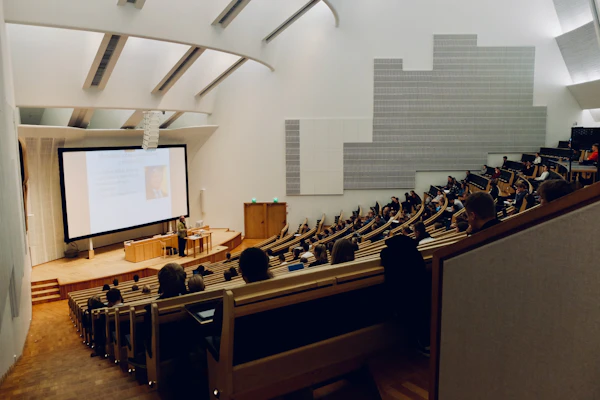
Freelancing Pricing Strategies for Live Events & Entertainment [Home](/) > [Blog](/blog) > [Freelance Guides](/categories/freelance-guides) > Freelance Pricing for Live Events The live events and entertainment sector is a high-stakes world where timing is everything and there are no second chances. Whether you are a touring lighting designer, a remote video editor for music festivals, or a virtual event producer, your pricing strategy dictates your business longevity. Many creatives entering this space often fall into the trap of underpricing their services because they are passionate about the industry. However, passion does not pay the rent in expensive [hubs for nomads](/cities/lisbon) or [cultural capitals](/cities/berlin). Setting your rates requires a deep understanding of market standards, technical requirements, and the physical demands of the job. As a remote worker or digital nomad in the entertainment space, your overhead looks different than a traditional office worker. You need to account for high-end gear, software subscriptions, travel insurance, and the inherent instability of tour-based or project-based work. This guide walks through the mechanics of establishing a rate that reflects your value, covers your costs, and allows you to build a sustainable career while moving between [coworking spaces](/categories/coworking) worldwide. We will examine why a flat fee might beat an hourly rate, how to charge for pre-production, and the nuances of international currency fluctuations. If you are looking to transition from local gigs to global [remote jobs](/jobs), mastering your financial pitch is the first step toward freedom. ## 1. Understanding the Market Value of Specialized Roles The entertainment industry is not a monolith. Pricing for a corporate gala in [New York](/cities/new-york) differs wildly from a multi-city music tour across [Southeast Asia](/cities/bangkok). To price yourself correctly, you must first categorize your specific role and the value it brings to the production. ### Touring Professionals vs. Remote Post-Production
If you are on the road, your rate must include a "displacement" factor. You are away from your home base, likely working 14-hour days, and dealing with physical fatigue. In contrast, if you are providing remote motion graphics for a live show from a quiet apartment in Tbilisi, you are selling your high-end hardware and quick turnaround times. ### The Tiered System of Event Freelancing
1. Entry Level: Production assistants or junior technicians. Rates are often dictated by the local minimum or standard union scales.
2. Mid-Tier: Experienced operators (Camera, Sound, Lights). These freelancers have a "kit fee" on top of their day rate.
3. Lead/Director Level: Technical Directors, Show Callers, and Lead Designers. These roles command premium rates because the success of the entire event rests on their shoulders. Before quoting a client, check our talent directory to see how other professionals in your niche are positioning themselves. Understanding the competition in creative cities helps you avoid being the "cheap" option that clients associate with low quality. ## 2. Choosing Your Pricing Model: Hourly, Daily, or Project-Based? Most freelancers start with an hourly mindset, but in live events, this is often the least profitable approach. ### The Problem with Hourly Rates
In the live event space, things go wrong. If you are paid hourly, you are technically rewarded for inefficiency. Furthermore, for remote creators doing video editing, an hourly rate punishes you for being fast. If you can create a high-end concert visual in two hours that used to take you ten, your income should not drop. ### The Standard Day Rate
The day rate is the bread and butter of the entertainment world. A standard day is usually 10 hours, often referred to as a "10-hour day." Anything beyond that should trigger overtime.
- Half-day rates: Many professionals advise against these because a half-day usually prevents you from booking another gig that same day.
- Travel days: If you are traveling to Mexico City for a gig, you should charge at least 50-100% of your day rate for the time spent in transit. ### Project-Based (Flat Fee) Pricing
This is best for pre-production work, such as sound design, scriptwriting, or 3D stage mapping. When using this model, include a strict Statement of Work to avoid "scope creep." If the client adds three more rehearsal days in Paris, your flat fee needs to adjust accordingly. ## 3. Factoring in Equipment and Kit Fees One of the biggest mistakes freelancers make is forgetting to charge for their tools. If you are bringing a $10,000 camera package or a professional foley rig to a job, the client is essentially renting that from you. ### How to Calculate Kit Fees
A general rule of thumb is to charge 3% to 5% of the total replacement value of your gear per day. If your laptop and software suite for remote production cost $5,000, adding a $150 kit fee per day is reasonable. ### Software Subscriptions
Don't forget the "invisible" costs. * Adobe Creative Cloud
- Max/MSP or TouchDesigner licenses
- High-speed internet for uploading large files
- Project management tools used to coordinate with the talent team If you are working from a specialized workspace, ensure your pricing covers these overheads so your "profit" doesn't disappear into operational costs. ## 4. The Hidden Costs of the Nomadic Event Freelancer Working as a freelancer while traveling to digital nomad destinations adds layers of complexity to your pricing. ### Healthcare and Insurance
Unlike staff members at a production house, you are responsible for your own safety and equipment insurance. If a stagehand drops your lighting console in Barcelona, do you have the coverage to replace it immediately? Your rate must include a margin to pay for premium professional liability insurance. ### Retirement and Taxes
You are your own HR department. You need to set aside 20-30% of every paycheck for taxes, depending on where your tax residency is located. Check out our guide on taxes for nomads to see how to factor this into your daily quote. If you want to retire one day, that money has to come from your current gigs. ### Currency Fluctuations
If you are billing a client in USD but living in Tokyo, your purchasing power changes monthly. If you are on a long-term contract, consider adding a currency adjustment clause or billing in a stable currency to protect your margins. ## 5. Negotiating High-Stakes Contracts Negotiation in the entertainment world is about more than just the number. It is about the terms of engagement. When you are talking to a festival producer or a creative agency, use the how it works logic to explain your value. ### Kill Fees and Cancellation Policies
Events get canceled. Rain happens, sponsors pull out, or global health crises occur. Your contract should include:
- 100% fee if canceled within 48 hours of the event.
- 50% fee if canceled within 7 days.
- Non-refundable deposit for any pre-production work started. ### Usage Rights and Licensing
If you are a photographer or videographer at a festival in Austin, who owns the footage? If the organizers want to use your clips for a nationwide TV commercial next year, you should charge a licensing fee on top of your day rate. Selling "all rights in perpetuity" should come at a significant premium. ## 6. Geographic Pricing: Adjusting for Location Should you charge the same rate for a gig in Chiang Mai as you do in San Francisco? This is a debated topic in the remote work community. ### The "Cost of Living" vs. "Market Value" Argument
Some argue you should charge based on your expenses. This is a mistake. You should charge based on the value you provide and the market you are serving. If you are working for a Fortune 500 company based in Chicago, they have the budget for US market rates, even if you are currently sitting on a beach in Bali. ### When to Adjust
The only time to lower your rate for a location is if you are working for a local client with a local budget. If you want to build a portfolio in the vibrant scene of Buenos Aires, you might accept a local rate to gain connections, but never do this for international clients who have the means to pay full price. ## 7. Upselling and Value-Add Services To increase your income without necessarily working more days, look for ways to add value to a production. ### Content Repurposing
If you are hired to manage the live stream of a conference in Dubai, offer an add-on package where you edit 10 "highlight" clips for their social media. This uses the same footage you already have but provides immense extra value to the client. ### Technical Consulting
Many event organizers know they want a "cool show" but have no idea how to achieve it. Charge a "consultancy fee" for the weeks leading up to the event where you help them choose the right gear and vendors. This positions you as an expert rather than just a pair of hands. ### Post-Event Reporting
For corporate events, providing a detailed technical report or data analytics from the virtual platform is a high-value service. You can learn more about these requirements in our virtual events category. ## 8. Managing Finances and Payments Getting paid in the entertainment industry can be notoriously slow. "Net 30" often turns into "Net 90" if you are not careful. ### Invoicing Best Practices
- Include your professional profile link in your email signature so they remember your expertise.
- Use automated invoicing software to send reminders.
- Always require a 25-50% deposit to "lock in" the dates on your calendar. This is standard practice in professional freelancing. ### Payment Methods for Global Nomads
If you are working across borders, avoid high bank wire fees. Use platforms designed for international transfers or suggest local payment if you have a bank account in that region (e.g., using a European account for a gig in Amsterdam). ## 9. Building a Reputation That Allows for Premium Pricing The highest-paid freelancers in the live event industry are not necessarily the ones with the most technical skill; they are the most reliable. ### The Reliability Premium
In a live environment, a mistake can cost a company millions. If you have a reputation for being calm under pressure, having backups for your backups, and showing up early, you can charge 20-30% more than the average freelancer. ### Networking in Nomad Hubs
Use your time in hubs like Canary Islands to network with other high-level remote professionals. Often, the best-paying gigs come from referrals within the community. When a lead designer needs a remote assistant for a project in Cape Town, they will call the person they trust. ## 10. Handling "Exposure" and Pro-Bono Requests Every freelancer in the entertainment world has been asked to work for "exposure." ### When to Say Yes
Only work for free if:
1. It is for a legitimate non-profit you care about.
2. It gives you access to a level of production you couldn't otherwise reach (e.g., working the main stage at a massive festival to get portfolio shots).
3. You are in a new city like Prague and need to build a local network fast. ### When to Say No
If a for-profit company in Singapore has a budget for lights, sound, and venue, they have a budget for you. Working for exposure for a wealthy client devalues the entire industry and makes it harder for everyone else to maintain their rates. Instead, suggest a "scaled-down" version of your services that fits their budget. ## 11. Scaling Your Freelance Business Once you have mastered your pricing, the next step is to stop trading your time for money. ### Subcontracting
If you get more inquiries than you can handle while staying in Estonia, consider hiring other freelancers from our talent pool. You take a percentage for managing the project and the client relationship, while they handle the execution. ### Selling Digital Assets
Can you sell your lighting presets, sound samples, or 3D stage templates? This is passive income that supports you while you are traveling between locations. Many successful nomads in the creative arts use this to supplement their live event income. ## 12. Conclusion: The Path to Financial Freedom in Entertainment Mastering your pricing as a live events freelancer is a continuous process of adjustment and market research. By moving away from hourly rates and toward value-based pricing, you protect your time and your creative energy. Whether you are setting up a stage in Athens or mixing audio remotely from a co-living space in Medellin, your rate is a reflection of your professional standards. Key Takeaways:
1. Stop billing hourly: Move to day rates or project-based fees to reward your efficiency.
2. Charge for your gear: Your kit is a capital investment that needs to pay for itself.
3. Include the "Nomadic Tax": Ensure your rates cover travel insurance, self-employment taxes, and currency risks.
4. Protect yourself with contracts: Kill fees and deposits are non-negotiable in the volatile world of entertainment.
5. Always be upselling: Identify how you can provide extra value through consulting or content repurposing. As you grow your career, keep an eye on our job board for new opportunities and continue to update your profile to reflect your increasing value. The world of live events is demanding, but with the right pricing strategy, it provides a level of freedom and excitement that few other careers can match. --- ### Additional Resources for Freelancers
- How to Find Remote Work in Entertainment
- Best Cities for Creative Freelancers
- Managing Client Expectations Remotely
- Understanding International Service Agreements By following these guidelines, you will not only survive as a freelancer in the live events space—you will thrive, regardless of where in the world you choose to call home. Whether you're aiming for the high-end markets of Zurich or the emerging scenes in Ho Chi Minh City, your financial foundation will be solid. Keep refining your craft, keep negotiating with confidence, and remember that your expertise is worth the price you set. ## 13. Deep Dive: Pricing for Virtual vs. Hybrid Events The world of entertainment changed forever with the rise of virtual and hybrid formats. As a nomad, this is your most significant growth opportunity. ### The Technical Complexity of Hybrid
A hybrid event in Warsaw requires you to satisfy two audiences: the people in the room and the people watching online. This effectively doubles your workload. Your pricing should reflect this. You aren't just "streaming" an event; you are managing a complex broadcast. ### Platform Expertise Fees
If you are an expert in specific platforms like vMix, OBS, or specialized corporate portals, you should charge a premium. Many companies are terrified of technical glitches during a live broadcast. They will pay extra for the peace of mind that comes with hiring an expert who has a proven track record. ## 14. Seasonal Pricing Strategies The entertainment industry is highly seasonal. Understanding the peaks and valleys of the event calendar helps you maximize your annual income. ### Peak Season: The Summer Festival Run
From May to September, demand for technicians and designers in Europe and North America is at an all-time high. During this period, you should be charging your highest rates. Do not be afraid to turn down low-paying work during these months, as a better offer is likely around the corner. ### Shoulder Season and Corporate Events
In the "off-season," corporate galas and trade shows in hubs like Frankfurt or Las Vegas keep the industry moving. These events often have larger budgets than music festivals but require a more polished, professional demeanor. ### Planning for the Slow Months
January and February can be quiet. Use this time to update your portfolio, learn new software, or relocate to a low-cost nomad hub to keep your expenses down while income is lower. ## 15. The Role of "Rush Fees" and Last-Minute Bookings In live events, a client might call you on Thursday for a show on Saturday because their lead tech fell ill. ### Why You Must Charge More for Last-Minute Work
1. Disruption: You have to rearrange your schedule, perhaps canceling personal plans or other small gigs.
2. Stress: There is no time for a slow hand-off; you have to hit the ground running.
3. Opportunity Cost: You are saving the client's event from disaster. A standard rush fee is 25-50% on top of your normal rate for any booking made within 72 hours of an event. This is common practice in high-demand markets. ## 16. Long-Term Contracts vs. Single Gigs Sometimes you might be offered a "retainer" or a long-term tour contract lasting several months across various cities. ### The Discount Dilemma
Clients will often ask for a lower day rate in exchange for "guaranteed work." While a small discount (10-15%) might be acceptable for a 3-month contract, be careful not to devalue yourself too much. Guaranteed work is great, but it also prevents you from taking other high-paying gigs that might come your way. ### Calculating the Value of Stability
If a project in Tel Aviv offers you six months of steady work, calculate your total profit after expenses. Is the stability worth more than the potential higher earnings of several "one-off" gigs? Often, the answer is yes, especially if the contract includes travel and housing, allowing you to save a significant portion of your income. ## 17. Communicating Your Rates with Confidence How you deliver your quote is just as important as the number itself. ### Transparency is Key
Break your quote down so the client understands what they are paying for.
- Professional Fee: Your expertise and time.
- Production Expenses: Kit fees, software, specialized assets.
- Travel/Logistics: Flights, per diems, and accommodation if not provided. ### The "Anchor" Technique
If you are unsure of a client's budget, give them three options.
1. Basic: The essential services to get the job done.
2. Professional (The Target): Recommendations for a high-quality result.
3. Premium: All the bells and whistles, including post-event edits and social media clips. This strategy often leads clients to choose the middle "Professional" option, which is exactly where you want to be. ## 18. Building Your Brand as a Global Expert To consistently command high rates, you need to transition from "freelancer" to "brand." ### Social Proof and Testimonials
Whenever you finish a project in Sydney or Montreal, ask for a testimonial. Post behind-the-scenes content on LinkedIn or Instagram to show the scale of the productions you handle. ### Thought Leadership
Write articles for our blog about technical challenges you've solved. Sharing your knowledge positions you as an authority in the field, making it much easier to justify a premium price point when talking to new clients. ## 19. Staying Compliant While Working Internationally The logistical side of freelancing can impact your bottom line if ignored. ### Visas and Work Permits
If you are going to a specific country to work a live event, ensure you have the correct visa. Using a tourist visa for a paid gig can lead to fines or deportation, which is a cost no freelancer wants to bear. Many nomads utilize digital nomad visas to stay legal while working for international clients. ### Per Diems and T&E
In the entertainment world, "Per Diem" is a daily allowance for food and small expenses, paid on top of your rate. If you are touring, ensure your contract specifies that the client covers "Travel and Expenses" (T&E). This prevents your day rate from being eaten up by expensive meals in cities like Oslo. ## 20. Essential Tools for Financial Management To manage a successful freelance business across multiple time zones, you need a reliable "stack" of tools. 1. Accounting: Software like QuickBooks or Xero to track global income.
2. Contracts: HelloSign or DocuSign for getting signatures quickly across borders.
3. Project Management: Notion or Trello to keep show notes and client communications in one place.
4. Communication: Slack or Discord for real-time coordination with production teams. By automating the administrative side of your business, you free up more time for the high-value creative work that allows you to increase your rates. Stay updated on the latest tools through our resources page. ## 21. Navigating the "Friend-of-a-Friend" Discount The entertainment industry is built on relationships. You will frequently be asked for a "mate's rate" by former colleagues or friends starting new projects in creative hubs. ### Setting Boundaries
It is okay to give a discount to someone who has helped your career in the past. However, make it clear that this is a one-time special offer. On your invoice, show the full price and then apply a "relationship discount." This ensures the client knows the real value of your work and won't expect the same low price when they have a bigger budget next year. ## 22. Pricing for Specialized Niche Markets The more specialized your niche, the higher your price. ### High-End Examples
- Pyrotechnics and SFX: High risk, high insurance, very high pay.
- Automation Programming: Moving stage elements requires precision and carries massive safety responsibilities.
- Real-time Render Tech: People who can run Unreal Engine for live broadcasts are in short supply in tech-forward cities. If you are currently a generalist, look at our categories to find a niche you can master. Specialization is the fastest way to double your day rate. ## 23. Dealing with Rejection and Low-Ball Offers Not every client is a good fit. If a client in Manila offers you half of your standard rate, don't take it personally. ### The Power of "No"
Saying no to a bad gig opens up space for a good one. If you fill your calendar with low-paying work, you won't have the availability when a high-paying dream job comes along. Stick to your minimum viable rate (MVR) and trust that your marketing and reputation will bring the right clients. ## 24. Future-Proofing Your Income The entertainment industry is constantly evolving. What worked in Los Angeles five years ago might not work today. ### Continuous Learning
Invest a portion of your income into learning. Whether it's a new lighting console or AI-driven video tools, staying ahead of the curve ensures you remain a "must-hire" for producers. Check our talent blog for advice on upskilling as a remote professional. ## 25. Final Thoughts for the Nomad Professional Freelancing in live events and entertainment while traveling the world is a dream for many, but it requires a disciplined approach to finances. Your pricing strategy is the engine of your nomadic lifestyle. When you price yourself correctly, you aren't just paying for the hours spent behind a console or a computer; you are paying for the years of experience, the thousands of dollars in gear, and the peace of mind you provide to your clients. Set your rates with confidence, document everything in contracts, and never stop looking for ways to add value. Whether your next gig is in Dubai, Tokyo, or Rio de Janeiro, make sure it is a step forward for your career and your bank account. Key takeaways to remember:
- Value over hours: Always focus on what the result is worth to the client.
- Overhead is real: Every flight, insurance payment, and software update must be accounted for.
- Community matters: Use the global network to stay informed on market rates and opportunities.
- Negotiation is a skill: Practice it as much as you practice your technical craft. The world of entertainment is waiting for your unique skills. By mastering your pricing today, you ensure you'll be part of the show for years to come.