Cost of Living for PR & Communications in Auckland Remote Work Hub > [Blog](/blog) > [New Zealand](/categories/new-zealand) > Auckland Cost of Living Guide Auckland, frequently referred to as the "City of Sails," sits at the intersection of a high-paced corporate world and a laid-back Pacific lifestyle. For professionals working in public relations, corporate communications, or media management, this city offers a unique environment where networking happens on yachts just as often as in high-rise boardrooms. However, moving here as a remote worker or a relocated professional requires a sharp eye on your budget. The South Pacific dream comes with a price tag that often surprises those coming from Europe or North America. Whether you are a freelance consultant or a full-time lead for a global agency, understanding the nuances of the local economy is vital for your success. The PR industry in Auckland is the largest in New Zealand, serving as the base for major firms and the headquarters of most national media outlets. This concentration of talent makes it a premier [work destination](/cities/auckland), but the expenses associated with housing, transport, and leisure can eat into your earnings if you don’t plan carefully. As a remote professional, you have the advantage of choosing where you work within the city, allowing you to balance the need for high-speed internet and professional proximity with the desire for a manageable bank balance. This guide provides an in-depth breakdown of what you can expect to spend while building your career in the Auckland communications [market](/categories/digital-marketing). We look at everything from the price of a flat white in Ponsonby to the cost of a high-end co-working space in the Britomart precinct. For those transitioning from locations like [London](/cities/london) or [New York](/cities/new-york), the pace might be slower, but the financial requirements remain significant. Success in the Auckland PR scene requires not just media savvy, but a mastery of your personal and professional overheads. ## The Housing Market for Communication Professionals Housing is undeniably the largest expense for anyone living in Auckland. As a PR professional, your choice of neighborhood often depends on where your clients are situated or where the most networking events take place. Most major agencies are located in the Central Business District (CBD), Parnell, or Grey Lynn. ### Renting in the Inner Suburbs
If you want to be close to the action, the inner-western suburbs like Ponsonby, Grey Lynn, and Westmere are popular. These areas are known for their "vibe"—trendy cafes, boutique shops, and a high density of media professionals. A one-bedroom apartment in these areas starts at around $550 to $700 NZD per week. For a three-bedroom "villa" (a classic wooden Auckland home), you could be looking at $1,100 to $1,500 NZD per week. Many freelancers choose to live in flat-shares to keep costs down, with rooms in high-end houses costing between $300 and $450 NZD plus expenses. ### Apartments in the CBD
Living in the CBD offers the ultimate convenience for those who hate commuting. Modern apartment buildings near the waterfront or the Sky Tower provide easy access to corporate offices. A studio apartment generally costs $450 to $550 NZD per week, while a more spacious two-bedroom unit will range from $750 to $950 NZD. It is important to check if the building has "leaky home" history or high body corporate fees if you are looking to buy, though for renters, the main concern is often the lack of natural light in older or cheaper conversions. ### Emerging Hubs and Outer Suburbs
For remote workers who don’t need to be in the office daily, looking further south or north can save significant money. Suburbs like Onehunga or New Lynn offer better value, with rents about 20% lower than the inner-city fringe. These areas are becoming more gentrified and offer excellent remote work infrastructure. Those seeking a beach lifestyle might look toward the North Shore in areas like Takapuna or Milford. While these areas are expensive, they offer a superior quality of life for those who enjoy morning swims before starting their Zoom calls. ## Utility Costs and Staying Connected For a PR or communications expert, your livelihood depends on your ability to stay connected. New Zealand has invested heavily in fiber-optic infrastructure, and Auckland is well-served by high-speed internet. * Internet: A "Fibre 300" or "Fibre Max" plan with unlimited data usually costs between $80 and $110 NZD per month. If you are doing heavy video editing or live broadcasting for clients, the higher-tier plans are a necessity.
- Electricity: Power in Auckland can be expensive, especially in the winter. Most Kiwi homes are not centrally heated and rely on heat pumps or portable heaters. Expect to pay $150 NZD per month in summer and up to $300 NZD in winter for a two-person household.
- Mobile Plans: A mobile plan with a decent amount of data (20-40GB) costs around $60 to $80 NZD per month. Major providers like Spark and Vodafone (One NZ) offer roaming packages that are useful if you frequently travel for international projects. ## Transportation: Navigating the Supercity Auckland is a sprawling city, and while the public transport system is improving, most residents still rely on cars. For a PR pro, you might need to visit clients in the industrial parks of South Auckland or head to a launch event in the northern suburbs. ### Public Transport (AT Metro)
Auckland uses the AT HOP card, which provides discounted fares on buses, trains, and ferries. A typical commute from the suburbs to the city center costs between $4 and $7 NZD each way. If you live on the North Shore or Waiheke Island, the ferry is a scenic but more expensive option, costing around $10 to $15 NZD for a return trip. ### Car Ownership
If you choose to own a car, factor in the cost of petrol, which in New Zealand is quite high compared to the US, often hovering around $2.60 to $3.00 NZD per liter. Insurance, registration (rego), and the "Warrant of Fitness" (WoF) add another $1,200 to $1,500 NZD in annual fixed costs. Parking in the CBD is notoriously expensive, with daily rates often exceeding $40 NZD. Many remote workers find that using a combination of public transport and ride-sharing services like Uber or Ola is more cost-effective than car ownership. ### Cycling and Micromobility
The city has been expanding its cycleway network. If you live in the inner west, cycling to the CBD is feasible and free. Electric scooters are also ubiquitous, though the cost of frequent hires can add up quickly. ## Food, Dining, and the "Coffee Economy" In the world of Public Relations, many of your most important meetings happen over a meal or a drink. Auckland has a world-class food scene, but it comes at a premium. ### Grocery Shopping
Food prices in New Zealand are higher than in many other developed nations due to the country’s geographic isolation. For a single person, a weekly grocery bill at supermarkets like Countdown (Woolworths), New World, or Pak’nSave will range from $120 to $180 NZD. * Pro Tip: Shop at local farmers' markets in Grey Lynn or Avondale for cheaper produce.
- Pricing: A liter of milk is about $3, a loaf of bread is $4, and a dozen eggs can be $10 or more depending on current supply issues. ### The PR Coffee Meeting
The "flat white" is a staple of Auckland business culture. A medium coffee in a CBD cafe will cost between $5.50 and $6.50 NZD. If you are meeting three clients a week, that’s $20 NZD just in caffeine. Adding a muffin or a sandwich to that meeting can easily push the cost to $20-$25 NZD per person. ### Dining Out and Entertaining
Lunching with clients at a mid-range restaurant in the Viaduct or Britomart usually costs around $30-$45 NZD per person for a main and a drink. A formal dinner for two at a top-tier establishment like Cassia or Soul Bar will likely exceed $250 NZD. For PR professionals who need to host networking events, understanding the cost of catering and venue hire is crucial. ## Co-working and Office Space for Freelancers If you are a remote worker or a boutique agency owner, you likely won't want to work from your living room every day. Auckland has a thriving co-working scene that provides professional environments for meeting clients. ### High-End Managed Offices
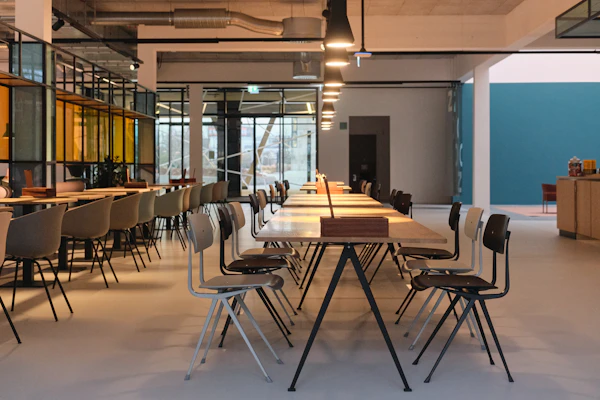
Spaces like BizDojo, Generator, and Regus offer various tiers of membership. A "hot desk" typically starts at $450 to $600 NZD per month. If you require a dedicated desk with your own monitors and equipment, expect to pay $800 to $1,200 NZD. These spaces often include amenities like high-speed internet, printing services, and communal kitchens. ### Boutique Spaces
Smaller, more creative spaces in suburbs like Kingsland or Morningside cater to the media and communications crowd. These can be slightly cheaper, around $350 to $500 NZD per month for a flexible spot. They provide a great way to meet other digital marketing experts and potential collaborators. ### Working from Cafes
While possible, Auckland's popular cafes can be loud and crowded. They are great for a quick email check but less ideal for a 45-minute media strategy call. Many librarians at the Auckland Central Library offer quiet spaces and free Wi-Fi, making it a budget-friendly alternative for deep-work sessions. ## Professional Expenses and PR Industry Requirements Success in the Auckland PR market requires staying on top of local trends and maintaining your professional standing. ### Memberships and Subscriptions
Joining the Public Relations Institute of New Zealand (PRINZ) is highly recommended for networking and professional development. Annual membership fees vary based on experience but generally range from $300 to $500 NZD. Additionally, you will likely need subscriptions to local media monitoring tools like Isentia or Meltwater, which can be a significant monthly overhead for freelancers. ### Hardware and Software
Electronics are more expensive in New Zealand than in the US or Asia. A high-spec MacBook Pro will cost roughly 15-20% more than the US retail price after currency conversion and GST (Goods and Services Tax). Software subscriptions like Adobe Creative Cloud or project management tools like Asana are billed in USD, so your local costs will fluctuate with the exchange rate. ### Insurance
Professional indemnity and public liability insurance are essential if you are contracting. Expect to pay $800 to $1,500 NZD annually for a standard policy that protects your business from legal claims. If you are an employer, you also need to account for ACC (Accident Compensation Corporation) levies, which are mandatory in New Zealand. ## Healthcare and Wellness Maintaining your health is vital for a high-stress career in communications. ### Public vs. Private Healthcare
New Zealand has a strong public healthcare system. If you are on a work visa for two years or more (or are a citizen/resident), most essential healthcare is free or subsidized. However, many professionals opt for private health insurance to avoid long wait times for non-urgent procedures. This costs between $80 and $150 NZD per month. ### Fitness and Leisure
A gym membership at a chain like Les Mills or Jetts will cost between $20 and $40 NZD per week. For those who prefer the outdoors, Auckland offers incredible free options, including hiking in the Waitākere Ranges or running along the Tamaki Drive waterfront. These "free" activities are a key part of the lifestyle balance that makes the high cost of living worth it. ## Taxes and Financial Planning New Zealand has a relatively straightforward tax system, but there are some specifics every remote PR professional should know. ### Income Tax
Individual tax rates are progressive, with the top rate being 39% for income over $180,000 NZD. Most senior PR professionals in Auckland earn between $90,000 and $140,000 NZD, putting them in the 33% tax bracket for a portion of their income. Check the current tax guides for the latest updates. ### GST (Goods and Services Tax)
GST is a 15% tax applied to almost all goods and services. If your business earns more than $60,000 NZD per year, you must register for GST. This means you will charge your clients an extra 15% and pay it to the Inland Revenue Department (IRD), but you can also claim back the GST you pay on your business expenses. ### KiwiSaver
If you are employed by a local firm, they are generally required to contribute to KiwiSaver, a voluntary retirement savings scheme. Employees usually contribute 3%, 4%, or 8% of their gross salary, and employers contribute a minimum of 3%. ## Networking and Socializing Costs In PR, "who you know" is just as important as "what you know." Building a network in Auckland requires an investment in social activities. ### Industry Events
Tickets for PR awards nights, media breakfasts, and marketing conferences can be expensive. A single ticket to a major industry dinner might cost $150 to $250 NZD. Setting aside a "networking budget" of $2,000 to $3,000 NZD per year is a smart move for those looking to climb the ladder quickly. ### Casual Networking
The "after-work drink" is a staple. A craft beer or a glass of New Zealand Sauvignon Blanc at a bar in the Viaduct will cost between $12 and $18 NZD. If you attend two or three of these sessions a week, your social expenses can easily reach $400 NZD per month. ## Comparative Costs: Auckland vs. Other Hubs How does Auckland stack up against other popular cities for remote professionals? * Auckland vs. Sydney: Sydney is generally more expensive for housing but offers higher salaries. The PR market in Sydney is also much larger and more competitive.
- Auckland vs. Wellington: Wellington is often seen as the "creative" or "government" capital. Housing is slightly cheaper than Auckland, and the city is more walkable, but the PR market is heavily focused on public affairs and government relations rather than corporate brand work.
- Auckland vs. Melbourne: Melbourne has a better transport system and a more vibrant arts scene, with living costs that are comparable to Auckland, though slightly higher in terms of dining and entertainment. ## Navigating the Seasonal Shifts in Expenses Auckland's lifestyle and expenses change significantly with the seasons, impacting how a PR professional manages their budget and work-life balance. ### The Summer Peak (December to February)
Summer in Auckland is when the city truly shines, but it is also when your leisure spending might spike. The PR industry typically slows down from mid-December to late January as "Kiwi Summer" takes over. During this time, many professionals head to the Coromandel or Northland. If you stay in the city, you’ll spend more on weekend trips, outdoor concerts, and ferry rides to Waiheke Island. A day trip to a Waiheke vineyard can easily cost $150 NZD between the ferry, a few glasses of wine, and lunch. ### The Winter "Slow-Down" (June to August)
Conversely, winter is the time for indoor networking and industry events. While your leisure spending might decrease, your utility bills will rise as you keep your home office warm. Winter is often the peak season for corporate communications as companies prepare for the end of the financial year (March 31st in NZ) or launch new fiscal initiatives. ## Strategic Budgeting for the Freelance PR Consultant If you are operating as a freelancer or a solo consultant, your income may be lumpy. Auckland’s high fixed costs—rent and utilities—don’t stop during a slow month. ### Building an Emergency Fund
Given the cost of living, a three-month emergency fund for an Auckland resident should be between $15,000 and $20,000 NZD. This covers the essentials and gives you the buffer to turn down low-paying contract work that doesn't align with your career goals. ### Value-Added Client Billing
To survive the Auckland prices, your hourly rate needs to reflect local realities. Freelance PR consultants in Auckland typically charge between $120 and $250 NZD per hour depending on their seniority and niche expertise. Avoid "race to the bottom" pricing on global platforms; focus on the high-value Auckland business market where local knowledge and relationships are worth a premium. ### Managing Home Office Deductions
Since a significant portion of your expenses will be related to your home office, make sure you are working with an accountant who understands New Zealand's tax laws for remote workers. You can often deduct a percentage of your rent, power, and internet from your taxable income, which provides much-needed relief during the tax season. ## Choosing the Right Suburb Based on PR Specialization Where you live in Auckland can actually influence your professional brand and your efficiency in reaching clients. ### For Fashion and Lifestyle PR: Ponsonby and Grey Lynn
If your clients are in creative industries, fashion, or high-end retail, living in Ponsonby (Postcode 1011) is almost a strategic move. You are within walking distance of the showrooms and the cafes where influential editors and influencers spend their time. ### For Corporate and Financial PR: CBD and Parnell
If you are managing communications for banks, law firms, or insurance companies, being in the CBD or Parnell is ideal. You can walk to your meetings in the glass towers of Shortland Street or the heritage offices of Parnell. This saves significantly on transport and parking costs. ### For Tech and Startup PR: Kingsland and Morningside
These suburbs are the heart of Auckland’s burgeoning tech scene. Being close to the innovation hubs and co-working spaces here allows you to stay integrated with the startup founders and venture capital firms that require nimble communications support. ## Practical Tips for Reducing Your Outgoings * Use Community Facebook Groups: Many suburbs have "Community Trading" or "Pay It Forward" groups where you can find office furniture, home goods, or even professional services at a discount.
- Meal Prep for Long Office Days: Avoid the $18 salad bowls at the CBD lunch spots. Spend that money on a high-quality networking dinner instead.
- Off-Peak Travel: If you use public transport, try to travel outside of peak hours (7:30-9:00 AM and 4:30-6:00 PM) to get a 50% discount on your AT HOP fares (pending current government subsidies).
- Free Professional Development: Organizations like the Auckland Chamber of Commerce often host free or low-cost webinars and events that are great for skill building. ## The Importance of Professional Liability for Remote Workers In the PR world, a single mistake in a press release or a mismanaged crisis can lead to financial repercussions. In a market as small and tightly-knit as Auckland’s, your reputation is your most valuable asset. ### Why You Need Insurance in Auckland
While New Zealand has the ACC for personal injury, it does not cover professional negligence. As a remote worker or freelancer, you are responsible for any errors or omissions. Professional Indemnity insurance is not just a cost; it is a prerequisite for working with larger corporate clients who will often require proof of cover before signing a contract. ### Finding Local Ad-Hoc Support
If you are a solo operator, you might occasionally need to hire a freelance photographer or a videographer. Prices for professional photography in Auckland range from $200 to $500 NZD per hour. Building a "trusted partner" list of other remote professionals can help you scale your services without the cost of full-time employees. ## Conclusion: Balancing the Cost and the Reward Auckland is an expensive city, there is no denying that. For a PR and communications professional, the costs of housing, transportation, and social maintenance are high. However, the city offers a unique lifestyle and a professional that is large enough to be profitable yet small enough to navigate effectively. By strategically choosing where you live, managing your professional overheads, and focusing on high-value networking, you can thrive in the Auckland market. The "City of Sails" provides a backdrop for a rewarding career where your morning commute could be a walk through a vibrant park or along a sparkling harbor. Key Takeaways for Auckland PR Professionals:
1. Prioritize Location: Choose a suburb that balances rent costs with professional proximity. Parnell and Grey Lynn offer the best balance for most.
2. Budget for the "Coffee Economy": Networking is a significant part of the job; don't let it surprise your bank account.
3. Invest in Connectivity: High-speed internet is non-negotiable for remote PR work.
4. Understand the Tax Benefits: Use GST registration and home office deductions to your advantage.
5. Focus on Local Relationships: In the New Zealand market, personal reputation is the ultimate currency. Whether you are looking for your next project or planning a permanent move, Auckland represents a premier hub for communication experts who are willing to invest in their surroundings to reap the benefits of a high-quality Pacific life. To learn more about living and working in different parts of the world, check out our city guides and remote work resources. ### Summary Table of Monthly Expenses (Estimated for a Mid-Level PR Pro) | Expense Category | Estimated Cost (NZD) |
| :--- | :--- |
| Rent (1-bedroom central) | $2,400 - $3,000 |
| Utilities (Power/Water) | $200 - $350 |
| High-Speed Internet | $90 - $110 |
| Mobile Phone Plan | $60 - $80 |
| Groceries | $600 - $800 |
| Transport (Public or Petrol) | $200 - $400 |
| Co-working Membership | $450 - $600 |
| Dining & Client Coffee | $400 - $700 |
| Total Estimated Monthly | $4,400 - $6,040 | This budget assumes a professional lifestyle that includes some eating out and a dedicated co-working space. For those willing to live in shared accommodation or work primarily from home, these costs can be reduced by 20-30%. Regardless of your budget, the Auckland PR scene offers a environment for those ready to make their mark. For more information on navigating the world of remote work and professional communication, visit our About page or explore our latest job listings for global opportunities. If you are looking for specific advice on other New Zealand locations, our guide to Wellington or Christchurch may provide the comparative data you need. Building a successful career in a new city takes time, patience, and a solid financial plan. Auckland, with its combination of corporate grit and coastal beauty, is a city that rewards those who come prepared. Take the leap, but keep your eyes on the numbers—the "City of Sails" is waiting.