Why SEO Matters for Your Career for Photo, Video & Audio Production
- Alt Text: This is a short description of an image found in the HTML code. It should be descriptive and include your target keywords. For example, "Professional videographer filming a corporate interview in Berlin."
- Captions and Titles: Use these to add narrative context. Describe the techniques used or the goal of the project.
- Transcripts: For video production and audio production, transcripts are gold. They turn your spoken content into searchable text, allowing Google to index the specific topics you discuss. By providing these text-based clues, you allow your creative vision to be cataloged correctly. This ensures that when a recruiter looks for creative talent, your specific niche is highlighted. ## 2. Dominating Local Markets as a Digital Nomad Many remote workers assume that because they work online, location doesn't matter. This is a missed opportunity. Local SEO is one of the most effective ways to land high-paying clients, especially when you are traveling. When you move to a new hub like Mexico City or Bali, you can tap into the local business market by optimizing for those specific locations. ### The Power of "Near Me" Searches
Clients often prefer working with someone who understands their local context or can meet for a coffee to discuss a project. By targeting keywords like "Product photographer in Austin" or "Event videographer in Barcelona," you reduce the size of the competition pool. You are no longer competing against the whole world; you are competing against the dozen or so people in that specific city. ### Practical Steps for Local Dominance
1. Update your Google Business Profile: Even as a freelancer, you can list yourself. Use your current city to show up in map results.
2. Location-Specific Landing Pages: Create pages on your site dedicated to the cities where you offer services. Mention local landmarks or industry events.
3. Local Backlinks: Get featured in local blogs or news outlets. If you are staying in Tbilisi, try to contribute a guest post to a local expat or business site. This strategy is particularly effective for those looking for independent contractor jobs that require a physical presence, such as high-end fashion photography or on-site sound recording. ## 3. SEO as a Portfolio Management Tool Your portfolio should be more than a gallery; it should be a lead-generation machine. Most creatives treat their website as a passive display of past work. When you incorporate search strategy, your portfolio becomes an active participant in your career development. ### Creating Case Studies
Instead of just posting a video, write a 500-word case study about the project. Explain the client's problem, your creative process, and the results achieved. This provides a wealth of long-tail keywords that potential clients might use when searching for solutions. For instance, if you solved a lighting issue in a difficult environment, a client searching for "how to film in low light" might find your work and hire you based on that expertise. ### Structuring for User Experience (UX)
Search engines prioritize sites that provide a good experience. For a media professional, this means:
- Fast Loading Speeds: Large video and image files can slow down your site. Use compression tools and CDNs to ensure your site stays fast.
- Mobile Optimization: Many clients will view your work on their phones. Ensure your gallery is responsive.
- Clear Calls to Action: Don't just show the work; tell them how to hire you. Link to your contact page or a job board profile. ## 4. Building Authority in Your Creative Niche Google uses a concept called E-E-A-T (Experience, Expertise, Authoritativeness, and Trustworthiness) to rank websites. For someone in the audio production or design fields, demonstrating this is vital. ### Content Marketing for Creatives
Writing about your craft is one of the best ways to build authority. If you are an expert in writing and content as well as video, you can create guides on how to script for YouTube. This attracts peers (who might refer work to you) and potential clients (who see you as a leader in the field). ### Backlink Strategy
A backlink is a vote of confidence from another website. Sites like Product Hunt or creative directories are great places to start. When reputable sites link to your portfolio, search engines view you as a trusted source. This is a long-term play that pays off by keeping your name at the top of search results for years. ## 5. The Technical Side: Speed and Tagging for High-Resolution Media One of the biggest hurdles for photo production specialists is page weight. High-resolution images are essential for showing off your skill, but they are the enemy of search rankings if they make your site crawl. ### Image Optimization
- Next-Gen Formats: Use WebP or AVIF instead of JPEG or PNG. They offer better compression without losing quality.
- Lazy Loading: This technique tells the browser to only load images as the user scrolls down to them, significantly improving initial load times.
- Sitemaps: Ensure your image sitemap is updated so Google can find all the visual assets buried in your galleries. ### Video Hosting Strategies
Don't host large video files directly on your server. Use platforms like YouTube or Vimeo and embed them. This offloads the processing power to their servers while still giving you the SEO benefits of having video content on your page. Remember to optimize the metadata on those third-party platforms as well, as YouTube is the second largest search engine in the world. ## 6. Networking and Social Signals While social media isn't a direct ranking factor for search engines, the traffic and "social signals" it generates do matter. A viral post about your latest video production project in Bangkok can lead to a surge in direct searches for your name, which tells Google you are an important entity. ### Integrating Social and Search
- Cross-Link Everything: Your Instagram, LinkedIn, and portfolio should all point to each other.
- Pinterest for Photographers: Pinterest is essentially a visual search engine. Pinning your work with the right descriptions can drive massive traffic to your portfolio.
- LinkedIn SEO: Optimize your LinkedIn profile for keywords related to your niche. This helps you show up when recruiters use the platform to find talent. By treating these platforms as part of a single funnel, you create a web of presence that makes it impossible for potential clients to miss you. ## 7. Keyword Research for the Creative Mind Keywords are the bridge between what people are looking for and the content you provide. For a creative, the keywords you target should reflect the specific problems you solve or the styles you excel in. ### Finding Your Niche Keywords
Don't just target "photographer." That is way too broad. Instead, look for:
- Service-based keywords: "Remote podcast editor for tech startups."
- Style-based keywords: "Minimalist black and white architectural photography."
- Tool-based keywords: "DaVinci Resolve color grading specialist." ### Tools of the Trade
You don't need a massive budget to do keyword research. Use free tools or look at the "people also ask" section on Google. See what questions your clients are asking. If you are in audio production, people might be asking "how to remove background noise from a podcast." Writing a blog post on that topic can lead them directly to your services. ## 8. SEO for Audio Professionals: The Podcast Frontier Audio is the fastest-growing medium, yet it is often the least optimized. If you are a podcast producer or sound designer, you have a massive opportunity to dominate search results by applying classic SEO principles to audio files. ### Show Notes and Timestamps
Detailed show notes are not just for the listeners; they are for the bots. Include a summary of the episode, a list of topics covered, and timestamps. Timestamps are increasingly appearing in Google search results, allowing users to jump directly to a specific part of your audio or video file. ### Audio Schema Markup
Using "Schema" is a way of talking directly to search engines in their native language. There is specific schema for podcasts that allows your episodes to appear with a play button directly in search results. This is a huge advantage for conversion, as it lowers the barrier for a potential client to hear your work. ### Transcripts for Accessibility and SEO
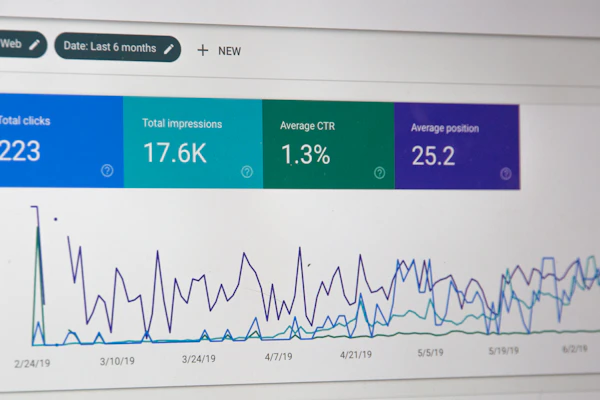
Accessibility is becoming a major factor in search rankings. Providing transcripts not only helps those with hearing impairments but also gives search engines a full text-document of your audio content. This is essential for ranking for the niche topics discussed in high-level business or technical podcasts. ## 9. Analyzing Your Performance You cannot improve what you do not measure. For a digital nomad moving between Singapore and London, tracking where your traffic comes from is essential for deciding where to focus your marketing efforts. ### Key Metrics to Track
- Organic Search Traffic: How many people found you via Google?
- Bounce Rate: Are people leaving as soon as they see your landing page? If so, your site might be too slow or your content might not match their search intent.
- Conversion Rate: Of the people who find you, how many actually contact you for work?
- Keyword Rankings: Keep track of where you rank for your most important terms. Tools like Google Analytics and Search Console are free and provide more data than you will ever need. Spend one day a month looking at these numbers to adjust your strategy. ## 10. The Future of Search: Voice and AI The way people search is changing. With the rise of AI and voice search, the traditional "blue link" world is evolving. People are now asking Siri or ChatGPT for "the best person to edit my travel vlog." ### Optimizing for Natural Language
To stay ahead, your content should answer questions directly. Use a conversational tone in your blog posts and headings. Instead of a heading like "Audio Services," use "How can I improve the sound quality of my remote recordings?" This natural language approach is exactly how AI models and voice assistants find information. ### Staying Adaptable
The most successful creatives are those who don't just master one tool, but understand the principles behind it. Whether search is done through a box on a screen or a conversation with an AI, the need for high-quality, well-described, and authoritative content will never go away. ## 11. Creating a Content Calendar for Creative SEO Consistency is a primary signal for search engines. If you only update your portfolio once a year, Google might assume your business is no longer active. For a busy professional in video production or design, creating a sustainable schedule is better than a short burst of activity. ### The Power of the "Slow Build"
You don't need to post every day. For a media professional, one high-quality piece of content per month is often enough to maintain and grow rankings. This could be a "Behind the Scenes" look at a shoot in Cape Town or a technical breakdown of a gear setup you used in Tokyo. ### Batching Content
When you are on a project, take extra photos and videos specifically for your own marketing. Capture the setup, the mistakes, and the final results. This "documenting over creating" approach ensures you always have material to post without needing to set aside dedicated "marketing days" that take away from your billable jobs. ## 12. Understanding Search Intent for Creative Hires Not all traffic is created equal. Understanding why someone is searching is as important as what they are searching for. In the SEO world, this is known as Search Intent. ### The Four Types of Intent
1. Informational: The user wants to learn something. (e.g., "how to take better photos at night")
2. Navigational: The user is looking for a specific site. (e.g., "Adobe Creative Cloud login")
3. Commercial Investigation: The user is looking for a service but hasn't decided yet. (e.g., "best freelance videographers in Paris")
4. Transactional: The user is ready to buy or hire. (e.g., "hire podcast editor now") As a creative, you want to capture people at the commercial investigation and transactional stages. However, by providing informational content, you build the trust required to win them over when they are ready to hire. ## 13. Avoiding Common SEO Pitfalls for Creatives Many artists fall into traps that actually hurt their search visibility. Being aware of these will put you ahead of 90% of your competitors. ### Keyword Stuffing
Do not just list a hundred cities or services at the bottom of your page. This looks like spam to search engines and can result in your site being penalized. Phrases should flow naturally within your text. ### Neglecting the "Boring" Pages
Your about page and contact page are often the most visited pages on a portfolio site. Ensure they are optimized with your name, your primary service, and your current location. If you are a digital nomad, mentioning that you are available for work in New York or remotely helps clarify your availability to both bots and humans. ### Using All-Flash or Image-Based Sites
While "minimalist" sites that are just a grid of images look cool, they are a nightmare for search engines. Ensure there is a healthy balance of text and media. Every image needs a text counterpart to explain its presence. ## 14. Networking Through SEO: The Collaboration Strategy SEO is not just about getting clients; it is about finding collaborators. When you rank for terms related to your craft, other professionals in the creative talent pool will find you. ### Establishing Partnerships
Imagine you are an audio editor who ranks for "spatial audio for VR." A video production company looking to expand into VR might find your blog post, realize you are an expert, and reach out for a partnership. This type of B2B (Business to Business) discovery is where the highest-paying, most stable work often resides. ### Guest Posting for Reach
Offering to write a guest post for a site like this blog or other industry publications helps you reach new audiences and earns you a valuable backlink. It positions you as an expert who is active in the community, rather than just another freelancer looking for a gig. ## 15. The Role of Branding in Search Search engines are increasingly looking for "brand signals." They want to know that you are a real person or entity with a reputation. ### Consistency Across the Web
Your name, handle, and professional title should be as consistent as possible across all platforms. If you are "John Doe, Sound Designer" on LinkedIn, don't be "JD Audio" on your website. Consistency helps search engines "tie" all your different profiles together into one authoritative entity. ### Building a Personal Brand
As you grow in your career, your name itself will become a keyword. People will start searching for you directly. This is the ultimate goal of SEO: to move from being found for what you do to being found for who you are. This transition usually happens when you provide consistent value over time through writing and content or high-profile project work. ## 16. Technical SEO Check-list for Photo, Video & Audio Sites For those who want to get under the hood, here is a list of technical elements that ensure your site is healthy and visible. 1. HTTPS: Ensure your site is secure. Google flags non-secure sites, and clients will be hesitant to contact you if they see a "not secure" warning.
2. Breadcrumbs: These help users and search engines understand the structure of your site. (e.g., Portfolio > Video > Corporate).
3. Schema Markup: Use "ImageObject," "VideoObject," or "AudioObject" schema to give search engines specific data about your media files, such as duration, upload date, and thumbnail.
4. Sitemaps: Submit your XML sitemap to Google Search Console to ensure every page on your site is indexed.
5. Robots.txt: Make sure you aren't accidentally blocking search engines from crawling your portfolio folders. ## 17. Geographic Flexibility: SEO for the Traveling Creative One of the best parts of being a digital nomad is the ability to change your "local" SEO to match your physical location. ### The "Current Base" Strategy
Whenever you move to a new hub like Prague or Seoul, update your homepage to reflect your current location. You can say "Now taking on projects in Seoul and worldwide." This allows you to capture local search traffic for the 3–6 months you are in that city, providing a steady stream of local networking opportunities and potential on-site work. ### Using Regional Top-Level Domains (TLDs)
If you plan to stay in a specific region for a long time (like Europe), consider using a.eu domain or a country-specific one if you want to rank specifically in that market. For most nomads, a.com is still the best bet for global reach, but regional nuances can be a path to success in highly competitive markets. ## 18. Case Study: How a Freelance Videographer Doubled Leads with SEO Let's look at a real-world example. A freelance videographer specializing in marketing videos was struggling to find clients outside of cheap freelance bidding sites. ### The Strategy
- Targeting: They shifted focus to "SaaS product video production."
- Content: They wrote five detailed articles about why SaaS companies need video and how to script them.
- Optimization: They optimized their portfolio images with alt text like "Software demo video for fintech company."
- Location: They added a page for "San Francisco SaaS Videographer" even though they worked remotely from Estonia, as that's where their target clients were located. ### The Result
Within six months, organic search became their primary lead source. Instead of competing on price on a bidding site, they were receiving direct inquiries from marketing directors who found their expert guides. This allowed them to triple their rates because they were no longer seen as a "commodity" but as a specialized expert. ## 19. Audio Search: The "Silent" SEO Opportunity As mentioned before, audio is often ignored in SEO discussions. However, with the rise of smart speakers and audio-first platforms, being findable via audio is a massive competitive advantage. ### Optimizing Metadata for Podcasting
If you provide audio production services, help your clients optimize their podcasts. This adds value to your service and ensures the projects you work on are successful.
- ID3 Tags: Ensure the metadata embedded in the MP3 files themselves is correct. Title, artist, and album should all include relevant keywords.
- Episode Titles: Use titles that people actually search for. Instead of "Episode 5: My Guest John," use "How to Scale a Startup with John Doe." ## 20. Video SEO: Beyond YouTube While YouTube is vital, your own website should also be a hub for video content. Google’s "Video" tab in search results can drive significant traffic if your site is set up correctly. ### Video Hosting Tips
- Thumbnail Optimization: Your thumbnail is your "ad" in search results. It should be high-contrast and include text that explains the value.
- Video XML Sitemaps: This tells Google where your videos are located, their titles, descriptions, and durations.
- Embedding with Purpose: When you embed a video, surround it with relevant text and headings. This gives the video context and helps the page rank for the video's topic. ## 21. Linking Strategies for Creative Portfolios Internal linking is the practice of linking from one page on your site to another. It helps search engines understand the relationship between different parts of your work. ### Creating a Web of Content
On your "Services" page, link to specific examples in your "Portfolio." From a "Case Study" blog post, link to your "Contact" page. For a nomad, you might even link to a guide you wrote about working from a specific city. This keeps users on your site longer and reduces "bounce rate," which is a positive signal to search engines. ### External Linking
Don't be afraid to link out to reputable sources. If you mention a specific type of camera or software like Figma, link to it. This shows you are part of a wider community and provide well-researched information. ## 22. SEO and the Remote Work Life For those pursuing remote work, SEO is your resume that never sleeps. While you are sleeping in Hanoi, a recruiter in New York could be finding your blog post about "Advanced Lighting Techniques for Remote Interviews." ### Building a Long-Term Asset
Paid advertising stops the moment you stop paying. Social media posts disappear into the feed within hours. But a well-optimized blog post or portfolio page can stay at the top of search results for years. This creates a "snowball effect" where your career growth becomes easier over time as your digital footprint expands. ## 23. The Psychology of Search: Why It Wins Over Social Social media is "interruption marketing." People are looking at photos of cats or their friends' vacations, and your ad or post interrupts them. Search is "intent-based marketing." People are actively looking for a solution to a problem. ### Converting High-Intent Traffic
When someone finds you via search, they are often much further along in the "buying." They have a problem (e.g., "I need a video for my new app") and are looking for someone to solve it. This is why search traffic often has a much higher conversion rate than social media traffic. For creatives, this means more time spent working and less time spent "hustling" for attention. ## 24. SEO Checklist for Photographers If you're in photo production, use this quick list to audit your current site:
- [ ] Every image has a descriptive file name.
- [ ] Every image has unique alt text.
- [ ] Images are compressed (use tools like TinyPNG or squoosh.app).
- [ ] You have a "Galleries" structure that uses keywords (e.g., /galleries/fashion-photography-milan).
- [ ] Your contact information includes the cities where you are available.
- [ ] You have a blog where you discuss your gear, your process, or your travels. ## 25. SEO Checklist for Video and Audio Producers For those in video production or audio production:
- [ ] Every video/audio file has a text transcript or detailed summary.
- [ ] You use timestamps for longer content pieces.
- [ ] Your video thumbnails are optimized for clicks.
- [ ] You have submitted a Video Sitemap to Google.
- [ ] You are using Schema markup for your media objects.
- [ ] You have a dedicated landing page for your specific niche (e.g., "Podcast Editing for CEOs"). ## 26. Adapting to the Changing Search Horizon The digital world moves fast. What worked five years ago (like keyword stuffing) will get you banned today. To stay at the top, you must remain curious. ### Staying Informed
Follow reputable SEO blogs and pay attention to Google's core updates. For a creative, the most important thing is to keep the human user in mind. Google's goal is to provide the best possible answer to a user's question. If you focus on being the best photographer or sound designer and describe that skill clearly, you will always be on the right side of the algorithm. ### Conclusion Mastering SEO is one of the most transformative steps you can take for your creative career. In an era where the competition is global and the digital noise is deafening, being findable is just as important as being talented. By treating your portfolio as a, searchable asset rather than a static gallery, you open doors to opportunities that word-of-mouth alone could never reach. Whether you are optimizing for local clients in Lisbon, building authority through writing and content, or ensuring your audio production is accessible to search spiders, you are building a career that is resilient and future-proof. SEO is not a one-time task but a way of presenting your professional life to the world. It requires patience and consistency, but the rewards—steady leads, higher rates, and the freedom to work from anywhere—are well worth the effort. As you continue your career development, remember that the internet is a vast library. SEO is the system of indexes and labels that ensures your volume isn't gathering dust in the basement, but sitting prominently on the front display. Start small: rename your images, add some alt text, and write your first case study. Over time, these small actions will build into a powerful engine that drives your success as a creative professional in the modern world. ### Key Takeaways for Your Creative SEO Strategy:
- Context is King: Always provide text descriptions for your visual and auditory work to help search engines "understand" what you do.
- Think Local, Work Global: Use your current location as a digital nomad to capture local search traffic, even if you are only there for a few months.
- Focus on E-E-A-T: Build trust and authority by writing about your expertise and landing backlinks from reputable sites.
- Speed Matters: Optimize your media files to ensure your site loads quickly on all devices, especially for high-resolution portfolios.
- Solve Problems: Use keyword research to find out what questions your potential clients are asking and answer them through your content.
- Be Patient: SEO is a long-term investment. Don't expect results overnight, but trust that the cumulative effect will be a major boost for your career.