Cost of Living for Social Media Marketing in Boston [Home](/) > [Blog](/blog) > [Cost of Living](/categories/cost-of-living) > Boston Social Media Marketing Guide Boston stands as a beacon of intellectual prowess and historic charm, making it a prime destination for remote workers and digital nomads specializing in [social media marketing](/categories/social-media-marketing). Known for its prestigious universities and a burgeoning tech scene, the city offers a unique blend of old-world architecture and modern career opportunities. However, navigating the financial requirements of living in the "Cradle of Liberty" can be daunting for those used to lower-cost hubs. If you are considering moving your remote career to Massachusetts, understanding the granular details of the local economy is vital to maintaining your lifestyle while scaling your professional reach. The city is not just a hub for education; it is a center for innovation where [remote jobs](/jobs) are plentiful for those with the right skill set. As a social media professional, your work depends on high-speed connectivity, a creative environment, and access to networking events. Boston provides all three in abundance, but they come at a premium. The city consistently ranks among the most expensive places to live in the United States, competing with New York City and San Francisco. For a digital nomad, this means your [freelance rates](/blog/freelance-marketing-rates) must reflect the local overhead if you plan to stay long-term. This guide breaks down every aspect of the Boston experience, from the price of a monthly subway pass to the best neighborhoods for finding a quiet corner to film content for your clients. Whether you are looking for [digital nomad tips](/blog/digital-nomad-essentials) or specific advice on the Massachusetts market, this analysis provides the data you need to thrive. ## The State of Social Media Marketing in Boston Boston is home to some of the world’s most influential brands and agencies. From the massive presence of companies like HubSpot to the countless biotech startups in Kendall Square, the demand for [content creation](/categories/content-creation) and brand strategy is relentless. For a remote social media manager, this creates a fertile ground for networking, even if your primary clients are based elsewhere. The local culture values expertise and data-driven results, which is why [remote marketing jobs](/jobs/social-media-marketing) in this region often offer higher compensation than in Midwestern or Southern hubs. If you are a [digital nomad](/blog/becoming-a-digital-nomad), you will find that Bostonians are early adopters of new platforms. The "student-heavy" demographic ensures that trends take root here quickly. This offers a live laboratory for testing social media campaigns. However, the high density of talent means you must differentiate yourself. Investing in [professional development](/blog/marketing-certifications) is almost mandatory to stay competitive in a city that houses Harvard and MIT. The local economy is stable, but the barrier to entry is financial. You are not just paying for a room; you are paying for proximity to some of the brightest minds in the global tech industry. ## Housing: The Largest Piece of the Budget In Boston, housing is the primary factor that will dictate your quality of life. Unlike [Austin](/cities/austin) or [Denver](/cities/denver), where you might find modern apartments at a predictable scale, Boston’s housing market is a patchwork of historic brownstones, converted lofts, and high-rise luxury buildings. ### Neighborhood Breakdowns for Remote Workers
1. Somerville and Cambridge: These areas are the heart of the "creative class." They are perfect for social media professionals who want to be near coworking spaces. You can expect to pay between $2,800 and $3,600 for a one-bedroom apartment.
2. Allston and Brighton: Popular with recent graduates and younger professionals. It is slightly more affordable, with one-bedrooms ranging from $2,200 to $2,700. The vibe is energetic, which is great for lifestyle influencer marketing.
3. Seaport District: This is the modern, glass-tower face of Boston. It is incredibly expensive ($3,500+ for a studio) but offers the best aesthetic backgrounds for video content and aesthetic brand shoots.
4. Quincy and Dorchester: These areas offer a bit more space. If you need a dedicated home office for your social media management business, looking south of the city center can save you $500–$800 per month. ### Renting Logistics
Boston is famous for its "broker fees." When searching for an apartment, be prepared to pay the first month's rent, last month's rent, a security deposit, and a broker fee (usually one month's rent) upfront. This means a $2,500 apartment could require $10,000 just to move in. For freelancers, having a significant cash reserve is essential before making the move. Many remote workers choose to find roommates through local Facebook groups or platforms like Bungalo to mitigate these costs. ## Coworking Spaces and Internet Reliability A social media marketer is only as good as their upload speed. Boston boasts some of the fastest internet in the country, but the cost of high-tier residential fiber or cable can range from $80 to $120 per month. If you are frequently uploading 4K video to YouTube or TikTok, this is a non-negotiable expense. ### Top Coworking Options
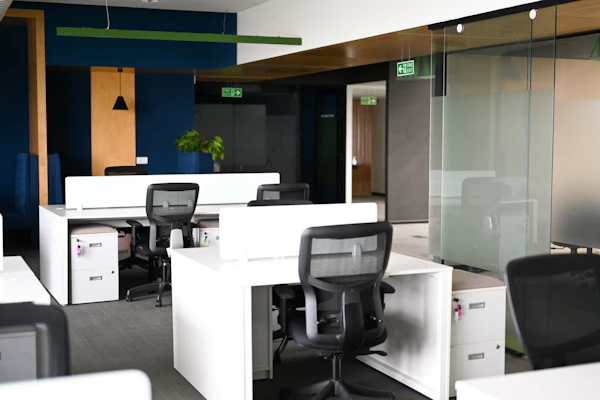
To escape the isolation of working from home, many digital nomads in Boston utilize coworking spaces.
- WeWork: Multiple locations in Back Bay and the Financial District. Prices for a "Hot Desk" start around $300 per month.
- Workbar: A local favorite with a strong sense of community, perfect for finding marketing collaborators.
- The Venture Cafe: Located in Cambridge, it offers free networking events every Thursday, which is a goldmine for those looking for new talent or clients. Public libraries, especially the Boston Public Library in Copley Square, offer free high-speed Wi-Fi and one of the most beautiful work environments in the world. It is a great way to lower your daily overhead while staying productive. ## Utilities and Essential Services Living in New England means preparing for extreme seasons. Your utility bills will fluctuate significantly throughout the year. - Electricity: Expect to pay $100–$150 per month. If you have a professional lighting setup for video production, your consumption will be on the higher end.
- Heating: In the winter (December through March), heating costs can skyrocket. In older buildings with oil heat, you might spend $200 a month just to keep the apartment at 68 degrees. Many modern apartments include heat in the rent, which is a major perk for remote employees.
- Water and Sewer: Usually covered by the landlord, but always verify this in your lease agreement.
- Mobile Plan: A high-data mobile plan is essential for on-the-go social media posting. Expect to pay $70–$90 per month for a premium unlimited plan from providers like Verizon or T-Mobile. ## Transportation: Navigating the Hub Boston is a very walkable city, which is great for your health and your wallet. However, when the weather turns, you will rely on the "T" (the MBTA). - The MBTA Pass: A monthly "LinkPass" for the subway and buses costs $90. This is significantly cheaper than maintaining a car in the city.
- Car Ownership: If you choose to keep a car, be ready for the "triple threat" of expenses: insurance (high due to city driving), parking (anywhere from $200 to $500 per month for a private spot), and "excise tax" (an annual tax on your vehicle’s value unique to Massachusetts). For most digital nomads, a car is a luxury rather than a necessity.
- Ride-Sharing: Uber and Lyft are plentiful but expensive during surge pricing. A 15-minute ride from South Station to Cambridge can easily cost $25 during rush hour.
- Bluebikes: Boston has a fantastic bike-sharing program. An annual membership is around $120, making it the most cost-effective way to get between coworking hubs. ## Food, Dining, and Social Media Aesthetic As a social media marketer, your social life and professional life often overlap. Boston offers a world-class food scene that provides endless content opportunities, but it comes with a high price tag. ### Groceries
If you cook at home, you can manage a grocery budget of $400–$600 per month. Local chains like Star Market and Stop & Shop are mid-range, while Whole Foods and Roche Bros are more expensive. For the budget-conscious nomad, Trader Joe's and Market Basket (locally famous for low prices) are the best options. ### Eating Out and Networking
Networking often happens over coffee or dinner. - Coffee: A latte at a craft coffee shop like George Howell or Pavement will cost $6.00 after tip. If you work from cafes three days a week, this adds up to $80+ per month.
- Lunch: A quick salad or sandwich in the Financial District or Seaport costs $15–$20.
- Dinner: A standard meal at a sit-down restaurant with a drink and tip will rarely be under $50.
- Cocktails: Expect to pay $16–$20 for a well-made cocktail in areas like the Back Bay. To manage these costs, it is wise to set a dedicated "networking budget." View these expenses as an investment in your marketing career rather than just leisure spending. ## Healthcare and Wellness Massachusetts has some of the best healthcare in the world, but it is also mandatory to have insurance. - Health Insurance: If you are a freelancer, you may need to purchase insurance through the Massachusetts Health Connector. Plans for a healthy individual in their 30s can range from $350 to $600 per month depending on the coverage.
- Gym Memberships: A basic gym like Planet Fitness is $10–$25, but a premium club like Equinox or Boston Athletic Club can be $200+ per month. For those who prefer boutique fitness (SoulCycle, Barry's Bootcamp) for their lifestyle content, expect to pay $30 per class.
- Mental Health: The stress of remote work shouldn't be ignored. Many local therapists accept insurance, but out-of-pocket rates are typically $150–$250 per session. ## Professional Expenses for Marketing Specialists Beyond the basic cost of living, social media professionals have specific overhead costs that must be factored into their Boston budget. - Software Subscriptions: Tools like Adobe Creative Cloud, Sprout Social, or Canva Pro are essential. Budget at least $100–$200 per month for your marketing stack.
- Equipment: High-end cameras, microphones for podcasting, and lighting for TikToks need periodic upgrades. Boston has several tech shops, but many nomads order online to save on the 6.25% state sales tax by shipping to a friend in tax-free New Hampshire (though technically, you are supposed to pay a "use tax" in MA).
- Conferences and Education: Attending events like INBOUND (run by HubSpot in Boston) is a massive opportunity but can cost $1,000+ for a ticket. Being local saves you on hotel and flights, making it a "hidden" benefit of living here. ## Taxes in Massachusetts Massachusetts is often called "Taxachusetts," though it's actually middle-of-the-pack for taxes compared to other high-cost states. - Income Tax: The state has a flat income tax rate of approximately 5%. If you are a remote contractor, you must factor this into your quarterly estimated payments along with federal taxes.
- Sales Tax: 6.25% on most goods, though clothing items under $175 are tax-exempt. This is a nice perk for those who need to maintain a professional wardrobe for client meetings.
- Self-Employment Tax: If you are operating as an LLC or a sole proprietor, don't forget the 15.3% federal self-employment tax. It is easy to overlook this when calculating your take-home pay. ## Entertainment and Lifestyle One of the reasons to pay the "Boston Premium" is the access to culture and history. - Museums: The Museum of Fine Arts (MFA) and the Isabella Stewart Gardner Museum are world-class. Memberships are usually around $100/year and offer a great place to find visual inspiration.
- Sports: Boston is a sports-obsessed city. Tickets to the Red Sox, Celtics, or Bruins are expensive ($50–$200+), but the atmosphere is unbeatable. - Outdoor Activities: Walking the Esplanade or hiking in the Blue Hills is free. For a weekend getaway, the ferry to Provincetown or a bus to the White Mountains provides a much-needed break from the screen. These trips are essential for preventing burnout in the fast-paced world of social media strategy. ## Comparative Analysis: Boston vs. Other Nomad Hubs How does Boston stack up against other popular cities for remote workers? - Boston vs. New York City: Boston is roughly 10-15% cheaper than Manhattan, specifically regarding rent and dining. However, the networking opportunities in NYC are vast.
- Boston vs. Philadelphia: Philadelphia is significantly more affordable. You can live in a prime Philly neighborhood for what you would pay for a studio in a subpar Boston location.
- Boston vs. Portland: Portland, Maine is a popular alternative. It offers a slower pace and lower costs while still being close enough to Boston for occasional client meetings. For a social media marketer, the choice to live in Boston is often about the quality of the network. The clients you can land in Boston—think biotech, higher education, and Series A startups—often have larger budgets than clients in smaller markets. ## Managing the Financial Transition If you are moving from a low-cost area like Indianapolis to Boston, you need a strategy. 1. Audit Your Income: Ensure your monthly revenue is at least 3x your expected rent. In Boston, landlords often require proof of income that meets this threshold. 2. Increase Your Rates: Don't be afraid to raise your freelance rates to match the local market. A social media manager in Boston can easily charge $75–$150 per hour, whereas that might be a hard sell in smaller towns.
3. Diversify Your Clients: Having a mix of local clients and international remote clients provides stability. Use local job boards to find agencies looking for contract help.
4. Track Every Penny: Use budgeting apps to track your spending, especially in the first three months. The "small" expenses of city life—$5 bridge tolls, $4 apple juices—add up faster than you expect. ## The Seasonal Financial Impact Many people forget that Boston is a seasonal city. This affects your wallet more than you might think. - The September 1st Cycle: In Boston, about 70% of apartment leases start on September 1st. This is because of the massive student population. If you move during this time, moving trucks (U-Hauls) are three times more expensive, and traffic is a nightmare.
- Winter Prep: You will need a high-quality winter coat and boots. A good parka from a brand like Patagonia or North Face will cost $300–$500. This is a one-time purchase but an essential one for your first winter.
- Summer Travel: Bostonians flee to "the Cape" or "the Islands" in the summer. Prices for a weekend in Martha's Vineyard or Nantucket are astronomical. As a nomad, you might choose to work from a cheaper location during the peak New England summer months. ## Networking and Community Building a community is the best way to offset the high cost of living. In Boston, "who you know" leads to better apartment deals, higher-paying marketing projects, and free event invites. - Join Professional Organizations: Groups like the American Marketing Association (AMA) Boston chapter are worth the membership fee.
- Attend Meetups: Look for tech meetups in Kendall Square. Even as a social media professional, being "tech-adjacent" is highly lucrative.
- Coworking Communities: Don't just sit in the corner with your headphones. Participate in the "lunch and learns" at your coworking space. This is where you find the content creators you might need to hire for a big campaign. ## Practical Advice for New Arrivals If you are just landing in Boston to start your remote marketing life, here are some immediate tips: 1. Get an MBTA CharlieCard: Don't use the paper tickets; the CharlieCard (the plastic one) offers lower fares and free transfers.
2. Explore the Colleges: Universities often have guest lectures and events that are open to the public or available for a small fee. This is world-class education at a fraction of the cost of a degree.
3. Shop Secondary Markets: Because students move out every May and August, you can find incredibly high-quality furniture for cheap (or free) on Facebook Marketplace or "Allston Christmas" (the day everyone moves out and leaves furniture on the sidewalk).
4. Public Spaces: Use the Greenway or the Public Garden as your "office" on nice days. It’s free, has great lighting for photos, and offers better people-watching than any cafe. ## Long-term Financial Planning for Nomads Boston is a great place to be "for a while," but many digital nomads eventually move to suburbs or different states once they want to buy property. - Investing: If you stay in Boston and earn a high marketing salary, consider working with a financial advisor who understands the complexities of self-employment. - Real Estate: If you decide to buy, a condo in the city will likely start at $600,000 for a one-bedroom. Many remote workers eventually look at cities like Worcester or Providence to get more value for their money while remaining in the Boston orbit. ## Scaling Your Social Media Agency in the City If your goal is to grow from a solo freelancer to a small agency, Boston is the perfect place to find talent. The pool of interns from schools like BU, Emerson, and Northeastern is unparalleled. - Internships: Hiring a summer intern can help you scale your content production while giving a student valuable experience.
- Freelancer Networks: Use local Slack communities to find specialized help like SEO experts or graphic designers.
- Client Acquisition: Cold-emailing local startups is more effective when you can offer to meet for coffee in a local neighborhood. The "local" factor goes a long way in a city that prides itself on its tight-knit community. ## Hidden Costs Often Overlooked - Laundry: Many older Boston apartments do not have in-unit laundry. You might spend $40–$60 a month at a laundromat or on a wash-and-fold service.
- Package Security: In the city, "porch pirates" are a reality. You might want to invest in a P.O. box or a package locker service, adding $20–$30 to your monthly expenses.
- Tipping Culture: Boston is a high-tipping city. 20% is the standard for service. Factoring this into your entertainment budget is crucial. ## Digital Nomad specific challenges in Boston Boston isn't set up as a "nomad hub" in the same way Medellin or Chiang Mai are. You will have to work harder to find your tribe. - Social Isolation: The "Boston Freeze" is a real phenomenon where locals can be hard to break into socially. As a remote worker, you must be proactive in joining clubs or sports leagues to maintain your social health.
- Time Zone Management: If your clients are on the West Coast, you will be working until 8:00 or 9:00 PM local time. This can make a local social life difficult, but the "late-night" coffee culture in areas like the North End can be a savior. ## Tools for Budgeting Your Boston Life To stay on top of these high costs, utilize tools that help you track every dollar. - Mint or YNAB: Essential for tracking variable expenses.
- GasBuddy: If you do have a car, gas prices vary wildly between neighborhoods.
- Too Good To Go: An app that lets you buy surplus food from local bakeries and restaurants at a deep discount—perfect for the budget-conscious social media manager. ## Summary of Estimated Monthly Costs To summarize, here is a ballpark monthly budget for a single person working in social media marketing in Boston: - Rent: $2,600 (One-bedroom in a decent area)
- Utilities: $200 (Average over 12 months)
- Groceries: $500
- Dining/Social: $600
- Transportation: $100 (T-Pass + occasional Uber)
- Health Insurance: $400 (If self-employed)
- Software/Business: $150
- Total: $4,550 This does not include taxes, savings, or travel. To live comfortably and save for the future, a social media marketer should aim for a gross income of at least $85,000–$100,000 per year in this market. ## Conclusion: Is Boston Worth It? Boston is a high-investment, high-reward city for those in the digital space. The cost of living is undoubtedly high, but the access to world-class institutions, a stable economy, and a brilliant professional network makes it an incredible place to grow a marketing career. For the remote worker or digital nomad, the city offers a "big city" feel with a "small town" footprint, allowing you to walk between meetings and find inspiration in ancient history and future technology. Whether you are focusing on B2B marketing for the tech giants or aesthetic branding for the boutique shops of Newbury Street, Boston provides a backdrop that screams professionalism and intelligence. If you can navigate the rental market and the "Taxachusetts" nuances, you will find a city that challenges you to be your best. The "Cradle of Liberty" isn't just about the past; it's a place where you can build the future of your remote work lifestyle. ### Key Takeaways:
- Prioritize Housing: Choose a neighborhood that balances cost with a short commute to a coworking space.
- the Network: Attend local events to find high-paying marketing clients that offset the cost of living.
- Budget for Seasons: Account for high heating bills in the winter and moving costs in the fall.
- Professionalism Matters: In Boston, your reputation is your currency. Invest in high-quality tools and continuous learning. For more guides on living the remote work lifestyle, check out our blog or browse our remote job listings to find your next opportunity in the world of social media. Boston awaits those ready to work hard and play in one of America's most historic and landscapes. Don't let the price tag scare you; instead, let it motivate you to your freelance business to new heights.